
Permeable Paving Solutions for Auckland
Porous Lane
Siteworks installs Porous Lane for driveways, accessways, pathways and outdoor paved areas across Auckland. As one of the key installers in New Zealand and the first to install Porous Lane in Auckland, we bring practical experience in preparing and laying this innovative permeable surface.
What Is Porous Lane?
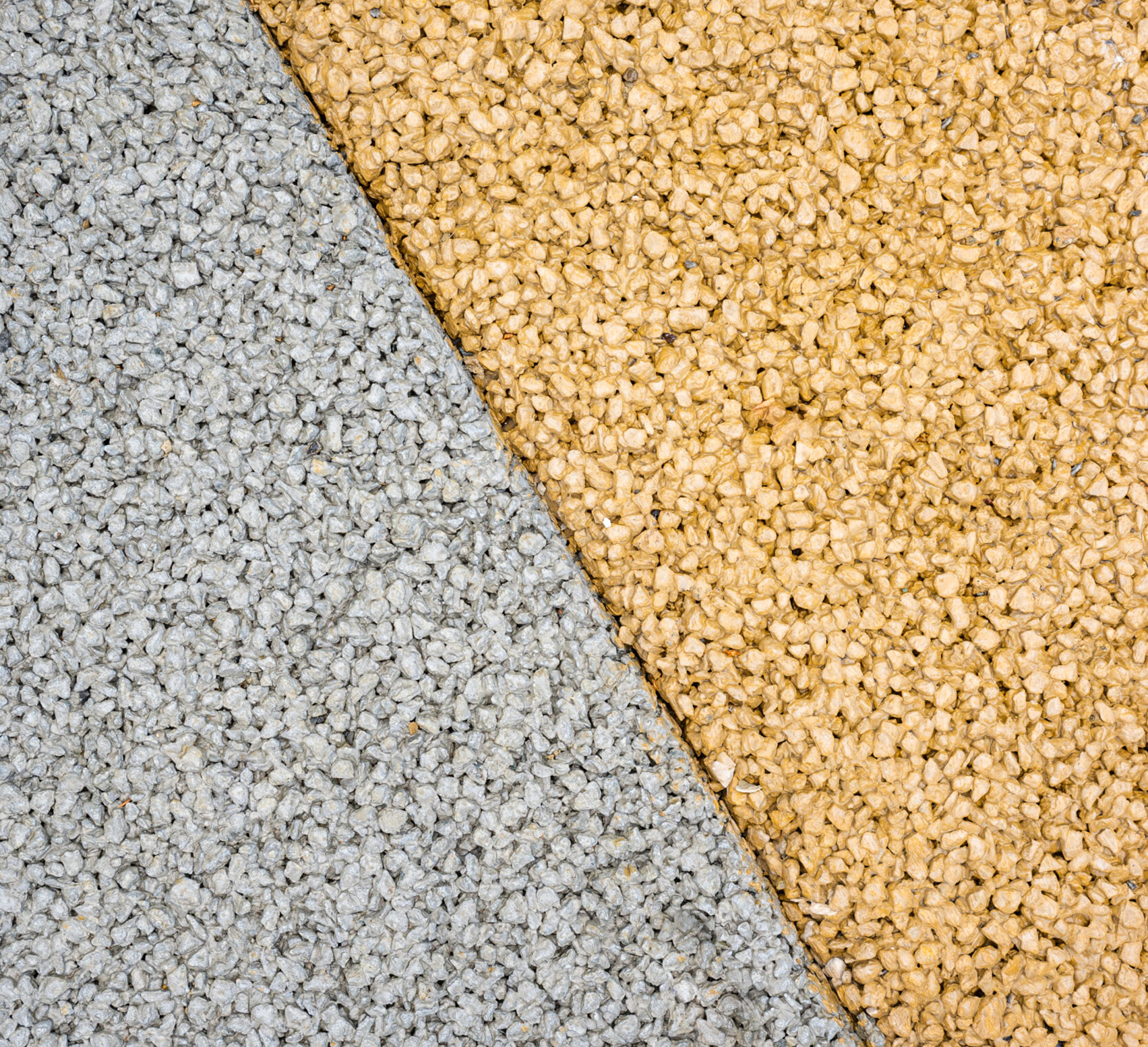
Porous Lane is a permeable pavement system made from stone aggregate, recycled rubber and a binder, installed over a prepared base. Rainwater passes through the surface into the base below, where it can soak into suitable ground or drain through a designed outlet.
This makes it a practical option for residential, commercial and civil sites where reducing runoff and ponding is important. Its semi-flexible structure and decorative finish suit pathways, shared spaces and appropriately designed light-vehicle areas.
Porous Lane is particularly useful around trees, garden beds and other vegetation. Where designed to direct water into surrounding soil, it can support moisture reaching root zones. Its flexibility also helps accommodate some root movement, reducing the likelihood of cracking compared with rigid surfaces. Installation around established trees should be planned to protect their roots, with arborist input where required.
Sustainable Paving with Recycled Tyres
Sustainability is a major benefit. Porous Lane combines stone aggregate with recycled tyre rubber and a binder, turning end-of-life tyres into a useful construction material. With up to 60% recycled tyre content, each square metre can reuse the equivalent of 1.5–3 waste tyres, depending on the mix and application. A 100 m² installation could therefore put approximately 150–300 tyres back into productive use.
Alongside its recycled content, Porous Lane allows rainwater to pass through the surface into a prepared base, helping reduce runoff and support stormwater management. For property owners, developers and contractors seeking a more sustainable paving option in New Zealand, Siteworks can assess the site and recommend a system suited to its drainage needs and intended use.
A Practical Permeable Surface For Auckland Sites
For sites across Auckland, heavy rainfall, clay soils, sloping sections and existing drainage constraints all influence the right paving solution. Nearby trees and vegetation also need careful consideration to protect roots and manage how water reaches surrounding soil.
Siteworks reviews these factors before starting any Porous Lane installation, including ground conditions, levels, base preparation and expected traffic use. Around established trees, we plan excavation carefully and work with arborists where required to minimise disturbance to root zones.
By combining recycled tyre rubber with a surface that allows water to pass through, Porous Lane supports a more sustainable approach to paving. With appropriate design, it can help reduce runoff and provide moisture to nearby vegetation while creating a practical surface for everyday use.
Driveways, Accessways, And Outdoor Areas
A Porous Lane driveway can be a strong option for homes, shared accessways and residential developments where drainage and presentation are important. The surface allows rainwater to pass into the prepared base below, helping reduce surface ponding and runoff.
Around trees and vegetation, Porous Lane offers greater flexibility than rigid concrete surfaces. Its semi-flexible structure can accommodate some movement from growing tree roots, helping reduce cracking and pavement damage. Careful design and installation are still needed to protect established roots and maintain a suitable driveway surface.
For homeowners, Porous Lane provides a tidy, practical option for new driveways, upgrades and shared access routes. For commercial and civil sites, it can also be considered for pathways, courtyards, light-vehicle parking areas, public spaces and school routes, with the system designed to suit the expected use.
Choosing The Right Installer
Siteworks was approached by Watersmart, who introduced Porous Lane to New Zealand, to help deliver its early installations. We were the first to install the product in Auckland and remain one of a small number of key Porous Lane installers nationwide.
Since then, we have completed numerous Porous Lane surfacing projects, building hands-on experience with the product across different site conditions and applications. Our completed work gives clients practical examples of the finishes and outcomes we can deliver.
With our own excavation, drainage and surfacing crews, Siteworks can manage the full installation—from ground preparation through to the finished surface—giving us control over quality and coordination throughout the job.
How Porous Lane Installation Works
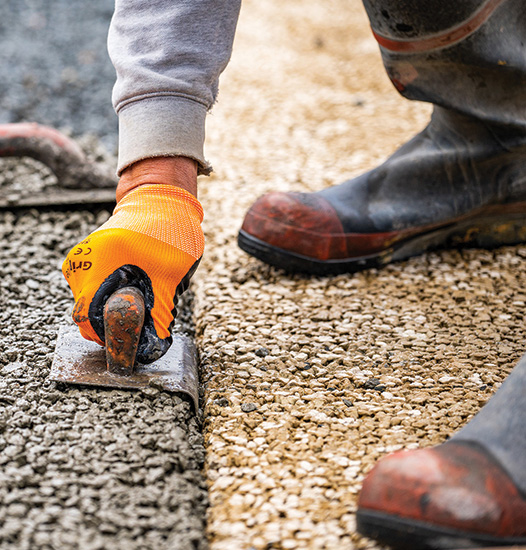
Every Porous Lane installation starts with a site review. The finished surface may look simple, but its performance depends heavily on what happens underneath. Excavation depth, base preparation, drainage movement, compaction, edging, and levels all need to be planned correctly.
Site review and drainage assessment
Surface suitability check
Excavation and ground preparation
Basecourse installation
Edge preparation and level setting
Installation of the stone and rubber permeable surface
Finishing, checking, and site tidy
A well planned installation helps ensure the finished surface can manage water, support regular use, and maintain a tidy appearance over time.
Built For New Zealand Conditions
Porous Lane in New Zealand needs to be planned around varied weather, ground conditions, traffic use, and drainage requirements. Rainfall, soil type, slope, maintenance access, and surrounding infrastructure can all influence how the system should be designed.
The surface can be suitable where a paved area needs to help manage stormwater while still providing everyday access and usability. It gives property owners and contractors another option when planning paved areas that need to balance function, drainage, sustainability, and appearance.
The key is making sure the full system is designed and installed correctly. The surface layer, prepared base, drainage movement, and surrounding levels all need to work together for the pavement to perform well over time.
Where Porous Lane Can Be Used
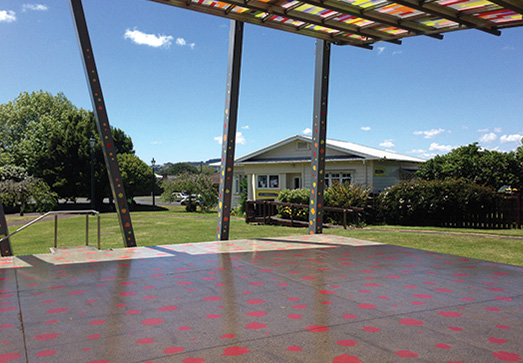
Porous Lane can be considered for a range of paved areas where drainage and surface performance matter. It is especially useful where a more sustainable surface is preferred and where stormwater needs to move through the paved area rather than across it.
Residential driveways
Shared accessways
Garden paths and walkways
Courtyards and outdoor spaces
Parking areas
Public spaces
School pathways
Commercial outdoor areas
Residential developments
Areas with stormwater management requirements
The right application depends on the site, the expected use of the surface, and the drainage outcome required.
Why Choose Porous Lane?
Porous Lane surfacing combines recycled materials with practical drainage benefits:
Reuses waste tyres. With up to 60% recycled tyre content, each square metre can reuse the equivalent of approximately 1.5–3 end-of-life tyres, depending on the mix and application.
Helps manage rainfall. Water passes through the surface into a prepared base, helping reduce runoff and localised ponding. Its final destination depends on the site design and may include soakage or a drainage outlet.
Provides flexibility near trees. The semi-flexible surface can accommodate some root movement, helping reduce cracking compared with rigid concrete. Where designed to do so, it can also allow water to reach nearby soil and vegetation.
A Porous Lane permeable surface needs the right base, levels, drainage and edging to perform well. Siteworks can manage excavation, drainage, preparation and installation in house, coordinating the full job with less reliance on separate contractors. Regular removal of sediment and debris, together with appropriate cleaning, helps maintain permeability.
Why Choose Siteworks?
Siteworks has been delivering civil construction services across Auckland since 1992. Our team understands the importance of proper site preparation, drainage planning, and practical surface installation.
For Porous Lane projects, we bring experience across earthworks, drainage, concrete works, permeable paving, and civil site preparation. This helps ensure the finished surface is not only installed neatly, but also supported by the right groundwork below.
Whether you need a driveway, pedestrian pathway, shared accessway, or larger outdoor paved area, Siteworks can assess the site and recommend a practical installation approach.
GET IN TOUCH TODAY
Talk To Siteworks About Porous Lane
Planning a driveway, pathway, accessway, or outdoor surface that needs better drainage performance? Siteworks can help with Porous Lane installation across Auckland, providing a practical permeable pavement solution designed around your site conditions and long term use.
Contact Siteworks today to discuss whether Porous Lane is suitable for your project.