
Permeable concrete + stormwater management
Permeable Concrete
in Auckland
Auckland properties often deal with heavy rain, hard surfaces, and pressure on existing drainage systems. Permeable concrete gives homeowners, businesses, developers, and public sites a practical way to manage water where it falls.
A practical way to manage water where it falls
What Is Permeable Concrete?
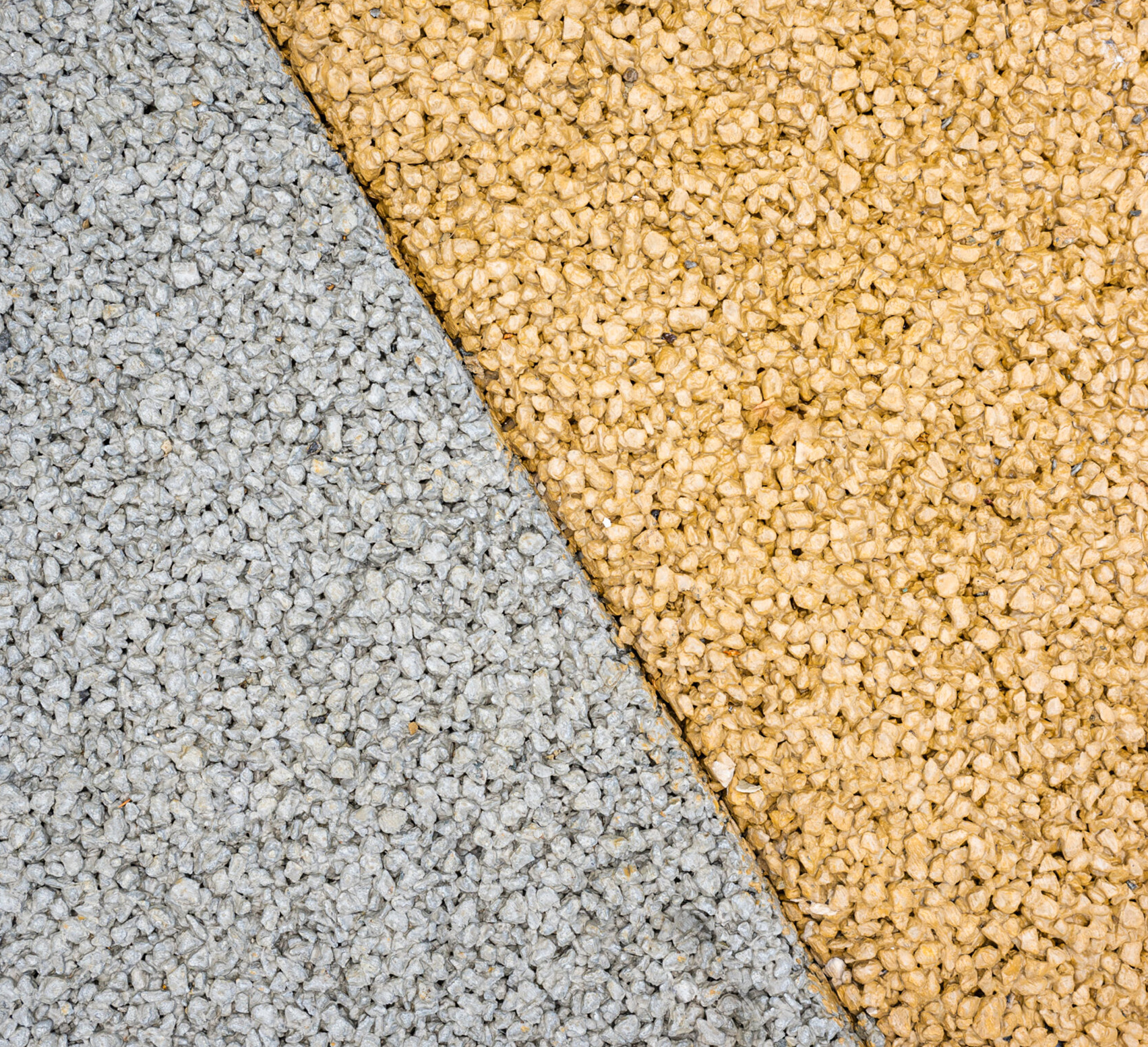
Permeable concrete is a specially designed concrete surface that allows water to filter through it. It is also known as porous concrete because it contains connected voids that let rainwater move down through the pavement.
This makes it different from standard concrete, which is dense and usually sends water across the surface. With permeable concrete, water can move into the base layer below, helping reduce ponding, surface runoff, and flooding around paved areas.
Built for wet weather
Using the Permcon system, Siteworks installs permeable concrete for driveways, carparks, accessways, footpaths, and paved outdoor areas. Instead of water sitting on the surface or running into overloaded drains, the system allows rainwater to pass through into a prepared base below.
For many sites across NZ, this makes permeable concrete a smart alternative to standard concrete where drainage and long term usability are important.
Permcon System
How The Permcon System Works
The Permcon system is built as a complete pavement solution, not just a surface layer.
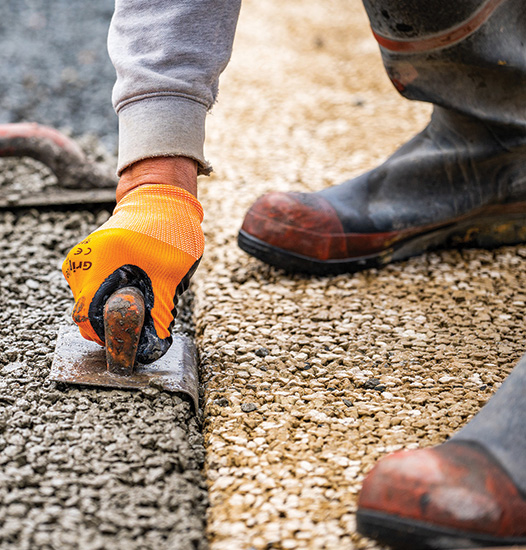
First, the site is assessed for ground conditions, drainage needs, access, and intended use. The area is then excavated and prepared with a base designed to support both strength and water movement. Once the base is ready, the permeable concrete pavement is placed and finished to suit the project.
When rain falls, water passes through the permeable concrete surface and moves into the drainage layer below. This helps the site manage stormwater more naturally and stay more usable during wet weather.
Why Choose Permeable Concrete?
Drainage Performance Built Into The Pavement
Reduces Surface Ponding
Because water can pass through the surface, permeable concrete helps reduce puddles and standing water on driveways, carparks, and accessways.
Supports Better Stormwater Management
Permeable concrete helps manage water at the source, which can reduce pressure on traditional stormwater systems.
Built For Wet Weather
Auckland and wider NZ conditions can be unpredictable. Permeable concrete is designed for sites where rainfall and drainage need to be considered from the start.
Suitable For Multiple Site Types
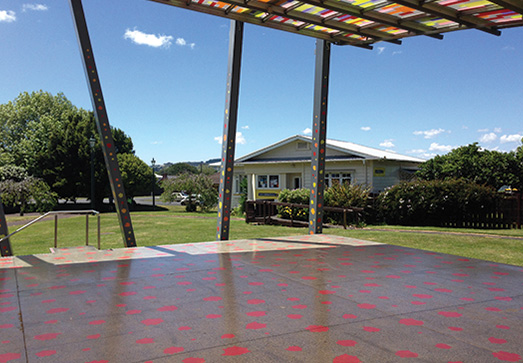
A permeable concrete pavement can be used for residential driveways, commercial carparks, shared accessways, school grounds, footpaths, and public spaces.
A Practical Long Term Solution
While standard concrete can be suitable for many projects, permeable concrete can provide extra value where drainage performance is a key requirement.
Where Can Permeable Concrete Be Installed?
Permeable concrete is commonly used in areas where water control matters as much as surface strength.
It is suitable for residential driveways, shared accessways, carparks, school grounds, footpaths, courtyards, commercial paved spaces, and drainage sensitive areas. It can also be useful for sites where traditional drainage is difficult, expensive, or likely to create ongoing maintenance issues.
Siteworks can assess the site and recommend whether permeable concrete is the right fit based on ground conditions, drainage requirements, surface use, and council expectations.
compare surface options
Permeable Concrete Vs Standard Concrete
| Feature | Standard Concrete | Permeable Concrete |
|---|---|---|
| Water movement | Water runs across the surface | Water passes through the surface |
| Drainage | Usually needs surface falls or drains | Helps manage water through the pavement |
| Best use | General slabs, paths, and structural areas | Driveways, carparks, accessways, and drainage sensitive sites |
| Surface ponding | Can occur if drainage is limited | Helps reduce pooling |
| Finish | Dense concrete surface | Porous concrete surface |
When comparing pervious concrete cost vs concrete, it is important to look beyond the surface material alone. Standard concrete may have a lower upfront cost in some situations, but permeable concrete can help reduce the need for additional stormwater infrastructure on suitable sites.
compare surface options
Understanding Permeable Concrete Cost
The permeable concrete cost depends on the size of the area, excavation depth, ground conditions, drainage requirements, access, and the way the surface will be used.
A residential driveway will usually have different requirements from a large commercial carpark. Vehicle loads, existing drainage, soil type, and reinstatement work can all affect the final permeable concrete price.
Siteworks provides clear advice after assessing the site, so you know what is included and why the recommended system is suitable.
Choosing the right surface
Permeable Concrete Or Permeable Paving Blocks?
Some sites may suit permeable concrete, while others may be better suited to a permeable paving block system.
Permeable concrete creates one continuous paved surface, which is well suited to driveways, carparks, accessways, and high use paved areas. Permeable paving blocks are individual units, often chosen for decorative areas, paths, landscaped spaces, or sites where a modular surface is preferred.
Siteworks can help compare permeable concrete, a permeable paving block, and permeable paving blocks based on appearance, maintenance, water movement, traffic use, and site conditions.
Site suitability
Is Permeable Concrete Right For Your Site?
Not every property is automatically suited to permeable concrete. The system needs the right base preparation, drainage design, and ground conditions to perform properly.
Before installation, Siteworks considers the site slope, soil type, access, expected vehicle load, existing stormwater systems, and council requirements. This ensures the finished permeable concrete pavement is practical, durable, and designed for long term performance.
Our Installation Process
Prepared Properly From The Ground Up
Site Assessment
We review the site conditions, surface use, drainage needs, access, and ground stability.
Excavation And Preparation
The area is excavated to the required depth and prepared for the base system.
Base Layer Installation
A suitable base is installed to support water movement and pavement strength.
Permeable Concrete Placement
The permeable concrete is placed and finished using the right method for the site.
Final Checks & Reinstatement
We check the finished surface, tidy the area, and reinstate surrounding surfaces where required.
Siteworks
Why Choose Siteworks?
Siteworks has been operating since 1992 and brings more than 30 years of civil construction experience to every project. Our team understands concrete, drainage, earthworks, stormwater systems, and Auckland ground conditions.
Because we can manage excavation, base preparation, drainage, and installation in house, we deliver permeable concrete solutions that are practical from the ground up. Whether the project is a residential driveway, commercial carpark, or public paved area, we focus on quality workmanship, clear communication, and long term performance.