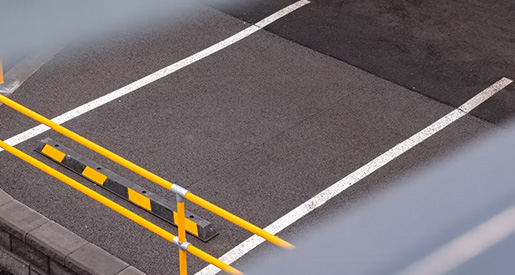
Permcon
Approved installers of Permcon
New Zealand’s urban areas are expanding rapidly, leading to more land being covered by concrete pavement, roads, footpaths, and carparks. At the same time, sustained heavy rainfall has increased by 50%, putting additional strain on infrastructure.
To help mitigate these impacts, councils and planners are increasingly adopting permeable concrete and permeable paving solutions. These materials reduce the risk of flooding and prevent contaminated stormwater from entering natural waterways or damaging built infrastructure.
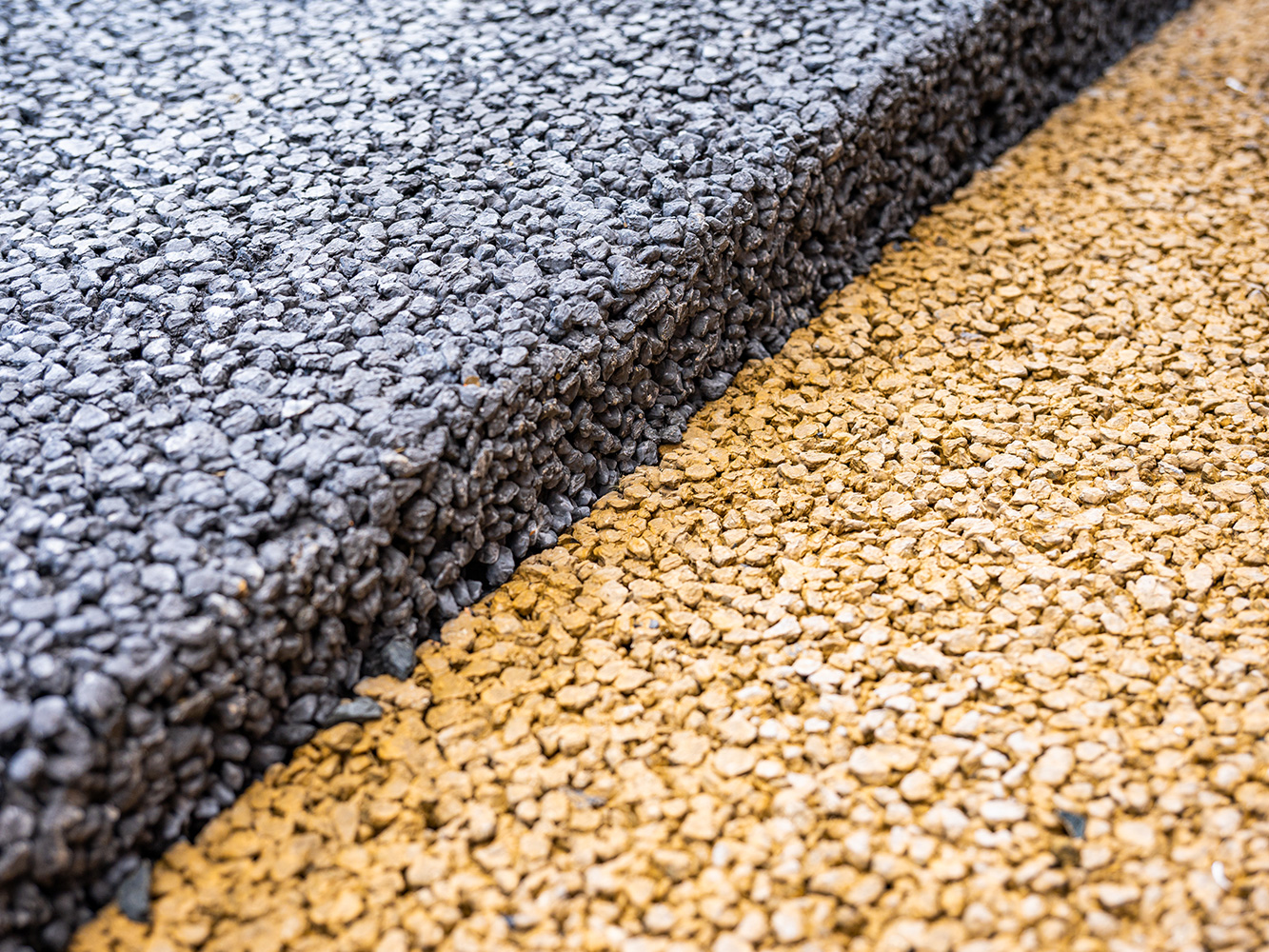
Permeable Concrete
Also known as pervious or porous concrete. Permeable concrete, is a robust, easy to install, sustainable building material.
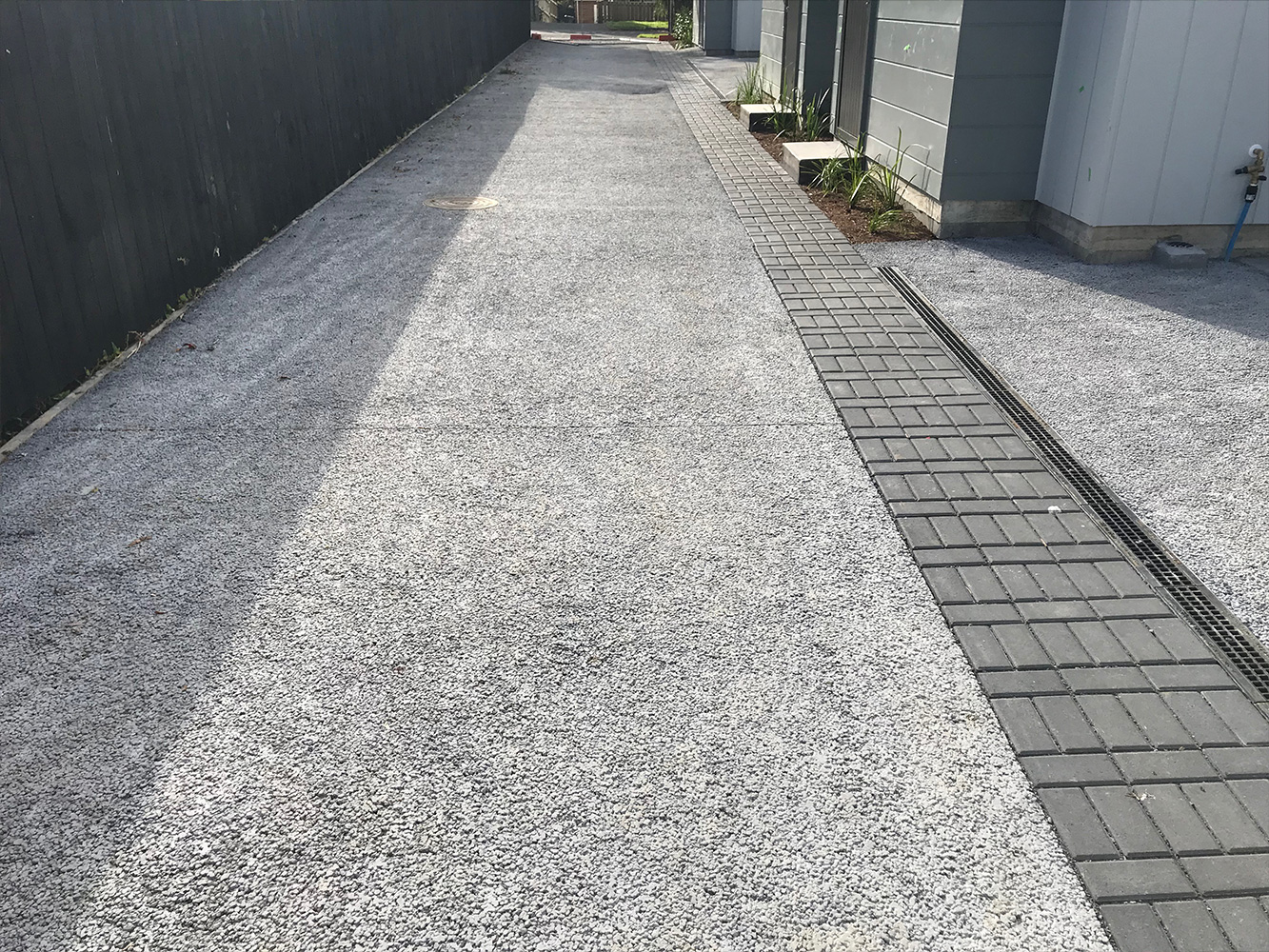
Permeable Paving
Permeable paving generally has the same benefits as permeable concrete, and goes through a similar installation process.
Environmental Benefits

Low Carbon Footprint High Environmental Benefit
Permeable concrete offers up to a 40% lower carbon footprint compared to conventional concrete work, helping to reduce environmental impact
across residential, commercial,and infrastructure projects.
When compared to asphalt, permeable concrete pavement delivers a 56–70% reduction in carbon emissions during installation thanksto lower energy use in both production and placement.
It’s a smart, sustainable choice for eco-conscious developments.

Heat Island Reduction with Permeable Concrete
Urban surfaces like asphalt and concrete pavement absorb and retain heat, raising temperatures in built-up areas. This is known as the heat island effect, and it can lead to increased energy use, air pollution, and greenhouse gas emissions.
Permeable concrete helps combat this by reflecting more sunlight and allowing better airflow through its porous structure.
As a result, it keeps surfaces cooler, making it an ideal material for carparks, footpaths, and public spaces.

Supporting Irrigation and Healthy Growth
Permeable concrete allows water and air to filter through its porous structure, helping return moisture to the ground and supporting healthier soil conditions.
This permeability enables tree roots to access the water and oxygen they need, reducing the negative impact of surrounding urban concrete construction. Studies show that trees planted in permeable concrete pavement grow up to 68% faster than those in traditional concrete plots, making it a smart choice for sustainable urban landscaping.

Reducing Waste with Sustainable
Concrete Solutions
Permeable concrete can be produced using industrial by-products such as fly ash, slag, micro silica, and recycled aggregate, significantly increasing its recycled content and reducing its overall environmental footprint. This makes it an excellent low-waste option for modern concrete construction work.
Unlike traditional concrete, permeable concrete pavement doesn’t require plastic sheeting for curing, eliminating unnecessary materials from the build process. Because it’s mixed and placed directly on-site as needed, there’s minimal overproduction, helping reduce construction waste and lower the life cycle cost of your project.

Permeable Concrete for
Stormwater Management
Permeable concrete reduces surface runoff by approximately 20–25%, making it highly effective for managing rain and stormwater in both residential and commercial environments.
It also helps prevent first flush pollution, the initial surge of contaminated runoff that often occurs during heavy rainfall from entering waterways.
By allowing water to filter through its porous structure, permeable concrete pavement traps hydrocarbons, heavy metals, and other pollutants before they reach the stormwater system, protecting local rivers and ecosystems.

Sustainability Certifications and
Green Building Credits
Permeable concrete is recognised by the EPA as a Best Management Practice (BMP) for effective stormwater management.
It can also contribute to green building certifications such as LEED, Living Building Challenge, CALGreen, and Green Point Rated.
For LEED projects, permeable concrete pavement may help earn credits in categories like Sustainable Sites, Recycled and Local Materials, Water Efficiency, and Innovation in Design, making it an ideal choice for environmentally responsible concrete construction work.
Cost Benefits

Maximise Land Use with Permeable Concrete
Permeable concrete pavement reduces the need for extra land dedicated to retention ponds or separate stormwater filtering systems. This allows developers to increase the building footprint and make better use of available space, a valuable advantage in both residential subdivisions and commercial projects.

Energy Savings
Because the concrete is reflective and typically lighter in shade, it reduces the need for additional lighting at night by enhancing natural visibility.

Water Savings and Healthier Landscaping
Permeable concrete allows rainwater to soak directly into the ground, directing moisture to tree roots and surrounding landscaping. This natural irrigation reduces the need for additional watering systems and helps maintain healthier, more resilient plants – especially in urban areas where traditional concrete pavement would block water flow.

Lower Installation Costs
Compared to Traditional Systems
Installing permeable concrete pavement can significantly reduce overall project costs by eliminating or minimising the need for separate stormwater management systems. In many cases, traditional drainage infrastructure can cost two to three times more than installing permeable concrete, making it a cost-effective solution for both public and private developments.

Lower Lifetime Costs Than Asphalt
and Traditional Concrete
Although the permeable concrete cost per square metre may be slightly higher upfront, its long-term value is greater. Unlike asphalt, permeable concrete pavement requires fewer repairs, offers superior durability, and delivers a longer lifespan, resulting in significantly lower lifetime maintenance costs over time.

WHY CHOOSE SITEWORKS
Proven Leaders in Permeable Concrete Installation
In 2007, we became New Zealand’s first approved contractor to install permeable concrete, setting the standard for this specialised concrete work. For more than a decade, we’ve remained at the forefront of permeable concrete pavement innovation across New Zealand and Australia, collaborating with Auckland Council, concrete suppliers, and engineers to refine both the mix design and the installation process.
Through our strong partnership with the Readymix Concrete Industry, we’ve successfully laid over 10,000 square metres of permeable concrete for clients nationwide. Today, we are one of the few companies recommended by Readymix suppliers and engineers throughout New Zealand, and we are proud to be an approved installer of Permcon.
Our in-house specialist, Dave Stewart, brings nearly 30 years of industry experience and a deep passion for sustainable concrete construction work. Dave has completed Permeable Concrete Installation Certification in the USA (NRMCA) and has worked with leading installers across both the United States and Australia.
While there are many suppliers and self-proclaimed permeable concrete installers in the market today, few match our depth of experience and attention to detail. We’ve seen firsthand the consequences of poor installation techniques and substandard materials, and we’re committed to doing it right.
Permeable concrete is a high-performance material that requires precise handling and expert installation. That’s why we choose Permcon concrete, a trusted product we’ve installed successfully across a wide range of applications, including driveways, footpaths, patios, and commercial developments.
In recognition of our innovation and expertise, we were honoured with the “Most Innovative” award by the New Zealand Concrete Contractors Association in 2015 for our Stillwater Pervious Concrete Parking Bay project.
If you’re a commercial developer or private homeowner considering permeable concrete, we’d love to help. Contact here to discuss your project.